
How To Launch An Online Gaming App In 30 Days
The online gaming market has evolved into one of the quickest-growing niches within the digital economy, with millions of gamers all over the world participating in various types of web-based and mobile games daily. For developers and potential entrepreneurs, this is a golden chance: developing a creative idea for a game into a viable app. The catch is finding the right execution. Most people believe that it takes years to build a gaming app. True, it is, for extensive projects involving high-end features. With a directed approach, however, the timeline can come down significantly. Launching your platform quickly has become much easier with white-label gaming software like that offered by Gamio Technologies.
It demands prioritisation. You can’t try to put in every sophisticated feature from the beginning; rather, the first step should be to try and develop an MVP (minimum viable product), a stripped-down version of the game that embodies the spirit of your concept but is still playable and fun. Once this MVP is live, customer feedback will inform subsequent refinements and feature additions. We have discussed the various phases of developing an app, beginning with Ideation and Research, Design and Development Kickoff, Testing, Feedback, and Refinements, and ending with Launch and Marketing. Following this structured path, you will not only be able to launch your gaming app in a month, but you will also position it for long-term growth and scalability.
Ideation And Research
Clearly define your concept. Begin with the kind of game you wish to release. Will it be an arcade-type game for play as a pastime, a skill-type card game, or a fantasy sports hub? Find out about your audience. Who are your users going to be? The more defined your target, the more you can tailor the experience. Study the competition. Download and use the top 10 apps within your space. Research their monetisation strategy and gameplay design. Select your monetisation strategy. Determine early on how your game is going to make money. Select a development methodology. If you or the people with you know how to code, you may develop from scratch. Otherwise, use white-label gaming platforms.
Design And Development Kickoff
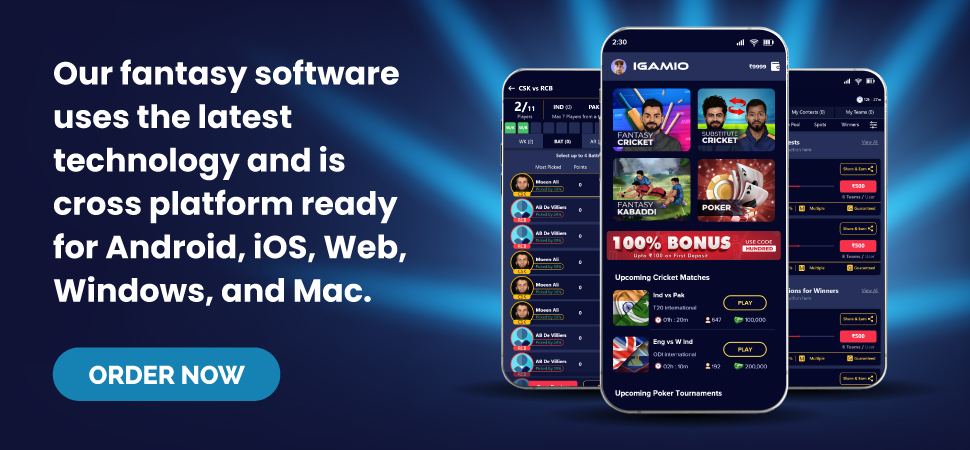
Create wireframes and storyboards. Draw out the user interface (UI) and user flow. Figma or Sketch may be of help. Even manually drawn graphics are fine if you’re in a time crunch. Develop a minimum viable product (MVP) scope. You can’t create a heavy game with hundreds of features in 30 days. Prioritise the MVP: the most minimal playable version of your app that still provides enjoyment. If you are coding, divide the work between the front-end (UI/UX) and the back-end. If developing with white-label solutions, make as many customisations as possible. Opt for performance and cross-platform first. Choose if your app will deploy on Android, iOS, or both. Given the time constraints, Android is generally the simpler place to start.
Testing, Feedback, And Refinements
Conduct internal testing. Play your game a lot yourself. Test everything: login, navigation, and actual gameplay. Look for bugs, application crashes, or convoluted interfaces. Conduct external testing and collect feedback. Show the prototype to a few trusted friends, colleagues, and beta testers. Watch them play without telling them what to do. Refine UI / UX. Refine the design as per your feedback. Make buttons easy to find. Make gameplay intuitive. Make instructions (if any) easy. Tweak UI / UX. Polished the design as per your feedback. Make buttons easy to find. Make gameplay intuitive. Make instructions (if any) easy. Test monetisation flows. If your app has ads, in-app purchases, or payment gateways, ensure these systems work optimally.
Launch And Marketing
The next step is to set up your platform on the app store page with an alluring title and description. The description should talk about the platform while highlighting its unique strengths and selling points. High-quality screenshots and a brief demo video of the platform should also be attached. The description and title should ideally include keywords that are usually searched, as it can help increase the exposure for the app. You can conduct a soft launch before the final launch to fix any last-minute issues. Next comes social media marketing, another key component. You need to create official accounts for your app on various media platforms and share engaging content to build a customer base. You can also run time-sensitive promotions to get the world out and get users excited about the launch of your platform.

Frequently Asked Questions
How to launch a gaming app?
There are various aspects which need to be considered before launching a gaming app. The first step is ideation and research, following which comes the design and development stage. After the basics are done, you need to conduct testing and make refinements before finally launching the app.
Do game apps make money?
Yes, an online gaming app can make significant money as there are various ways to monetise it. In-app purchases, advertising on the platform, and subscriptions are just some basic ways an online gaming app can make money.
What is the fastest way to launch a gaming app?
The fastest way to launch a new gaming app is definitely to opt for a white label gaming software. This can reduce the development time drastically and can help you get your platform on the market incredibly fast.
What is a Minimum Viable Product (MVP) in gaming apps?
An MVP is a simple, playable version of your game that captures the core concept. It allows early market entry and user feedback to guide future improvements without lengthy initial development.

Copyright 2022. Gamio Technologies Pvt. Ltd. All rights reserved.
Copyright 2022. Gamio Technologies Pvt. Ltd. All rights reserved.


